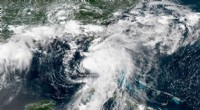
* Wind: The most common cause of waves. Wind blowing across the surface of water transfers energy to the water molecules, creating waves.
* Earthquakes: Underwater earthquakes can displace large amounts of water, generating massive waves called tsunamis.
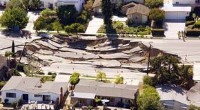
* Landslides: Landslides occurring near water bodies can displace water, causing waves.
* Volcanic eruptions: Underwater volcanic eruptions can also cause waves.
Here's a breakdown of the key aspects of waves in geography:
Types of Waves:
* Wind waves: Generated by wind, these are the most common type of waves.
* Swell waves: Larger, smoother waves that have traveled long distances from their origin.
* Tsunamis: Giant waves caused by underwater earthquakes, landslides, or volcanic eruptions.
* Seiches: Standing waves that oscillate within enclosed water bodies like lakes or bays.
Characteristics of Waves:
* Crest: The highest point of a wave.
* Trough: The lowest point of a wave.
* Wavelength: The horizontal distance between two consecutive crests or troughs.
* Wave height: The vertical distance between the crest and the trough.
* Wave period: The time it takes for two consecutive crests or troughs to pass a fixed point.
Importance in Geography:
* Coastal erosion: Waves are a major factor in coastal erosion, shaping coastlines and creating landforms like cliffs, beaches, and sandbars.
* Sediment transport: Waves transport sediment along coastlines, affecting the distribution of beaches and sand dunes.
* Navigation: Waves are a critical factor in navigation, influencing ship movements and affecting marine activities.
* Marine ecosystems: Waves influence the distribution of marine life and play a role in oxygenation of the ocean.
* Climate: Waves influence global climate patterns by affecting heat exchange between the ocean and the atmosphere.
Understanding waves is crucial for understanding coastal processes, marine environments, and the interplay between land and water. They are a fundamental aspect of geography, influencing various aspects of the Earth's surface and its systems.