1. Erosion:
* Hydraulic Action: As waves crash against the cliff face, the force of the water compresses air trapped in cracks and crevices. This rapid pressurization can cause the rock to fracture and break apart.
* Abrasion: Waves carry sand, pebbles, and other debris that act like sandpaper, grinding away at the cliff face. This process is most effective when the waves are powerful and contain a high concentration of abrasive materials.
* Corrosion: Saltwater can chemically react with some types of rock, leading to weathering and weakening. This is particularly true for rocks that contain minerals that are susceptible to chemical breakdown.
2. Weathering:
* Freeze-thaw: Water seeps into cracks in the cliff face and freezes during cold weather. As the water expands, it exerts pressure on the rock, causing it to crack and break apart. This process is particularly effective in coastal areas with cold climates.
* Biological Weathering: Organisms such as seaweeds, barnacles, and marine borers can weaken the cliff face by burrowing into the rock, creating cracks and crevices that make it more susceptible to erosion.
3. Mass Wasting:
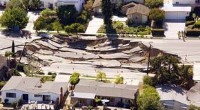
* Slumps: When the cliff face becomes unstable due to erosion, weathering, or the saturation of rock with water, large sections of the cliff can collapse and slide down.
* Rockfalls: Smaller rocks can break off from the cliff face and tumble down the slope, often due to the weakening of the rock by erosion.
4. Other Factors:
* Wave Refraction: Waves tend to bend as they approach a cliff, concentrating their energy on headlands and eroding them more quickly than the surrounding bays.
* Tides: The rise and fall of tides can create powerful currents that contribute to erosion.
* Climate: The frequency and intensity of storms, as well as the prevailing wind direction, can significantly influence the rate of cliff erosion.
Resulting Shapes:
Over time, these processes create a variety of distinctive cliff features, including:
* Sea Caves: Hollows carved into the cliff face by the erosive power of waves.
* Sea Arches: Natural bridges formed when a sea cave erodes through the entire cliff.
* Stacks: Isolated columns of rock that are left standing when an arch collapses.
* Wave-Cut Platforms: Flat, eroded surfaces that are left behind when a cliff retreats inland.
The specific shape of a cliff will depend on a variety of factors, including the type of rock, the intensity of wave action, and the prevailing weather conditions.