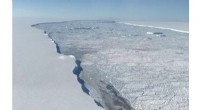
* Crust: This refers to the Earth's outermost layer, which is divided into oceanic crust and continental crust. Oceanic crust is thinner and denser than continental crust and is primarily composed of basalt. The crust forms the solid base upon which the oceans lie.
* Trough: This refers to a long, narrow depression in the ocean floor, typically located along the continental margin. Troughs can be formed by various geological processes, such as:
* Tectonic activity: Subduction zones (where one tectonic plate slides under another) often create deep ocean trenches, which are a type of trough.
* Erosion: Erosion by currents can carve out troughs in the seafloor.
* Sedimentation: The accumulation of sediment over time can form troughs in the ocean floor.
In summary:
* Crust is the solid base of the ocean floor.
* Trough is a long, narrow depression in the ocean floor.
Example: The Mariana Trench, the deepest part of the ocean, is a very deep and prominent trough formed by a subduction zone. This zone lies on the boundary between the Pacific and Philippine plates, where the Philippine plate is being pushed underneath the Pacific plate.