Physical Changes:
* Thermal Expansion and Contraction: Rocks, like most materials, expand when heated and contract when cooled. This expansion and contraction can create internal stress within the rock, particularly if temperature changes are rapid or extreme. Over time, this stress can cause:
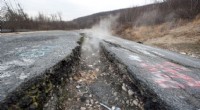
* Fracturing: The rock can crack or break due to the internal stress.
* Exfoliation: Thin sheets of rock can peel off due to repeated expansion and contraction. This is common in areas with large temperature swings, such as deserts.
* Debris Formation: Smaller pieces of rock can break off, contributing to soil formation.
* Melting: Extreme heat, such as that found in volcanic eruptions, can melt rocks, forming magma. This molten rock can then erupt, creating new rock formations.
* Freezing and Thawing: Water trapped within rock pores can freeze and expand, putting pressure on the rock. This can lead to:
* Frost Wedging: The expansion of ice can cause cracks to widen and deepen, further breaking down the rock.
* Shattering: Repeated freezing and thawing can shatter rocks into smaller pieces.
Chemical Changes:
* Chemical Weathering: Extreme temperatures can accelerate chemical weathering processes. For example, hot temperatures can increase the rate of chemical reactions, while cold temperatures can slow them down. This can lead to:
* Dissolution: Some minerals in rocks can dissolve in water, especially if the water is acidic. This is more pronounced at higher temperatures.
* Oxidation: Rocks containing iron can be oxidized (rust) in the presence of oxygen and water, leading to a weakening of the rock.
Specific Examples:
* Deserts: Extreme daytime temperatures and freezing nights lead to significant thermal stress. This contributes to the formation of desert pavements, where rocks are exposed and scattered across the landscape.
* Volcanoes: The intense heat of a volcanic eruption can melt rocks, creating lava flows. This lava can cool and solidify, forming new igneous rocks.
* Glaciers: The extreme cold of glaciers can cause frost wedging and shattering, contributing to the erosion of mountains and the formation of glacial valleys.
Overall:
Extreme temperatures are a powerful force that can significantly alter rocks over time. They can cause physical and chemical changes, leading to weathering, erosion, and the formation of new rock types. This process plays a crucial role in shaping Earth's landscapes.