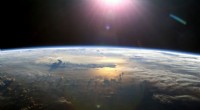
* Gravity: Air is held close to the Earth's surface by gravity. As you ascend, the force of gravity weakens, allowing the air molecules to spread out more.
* Pressure: Atmospheric pressure decreases with altitude. Since pressure is a measure of the weight of air above a certain point, less air above means lower pressure.
* Temperature: While not the primary factor, temperature also plays a role. Air temperature generally decreases with altitude, and cooler air molecules are less energetic and therefore less dense.
Consequences of Decreased Air Density:
* Thin air: This is what makes it harder to breathe at high altitudes. Your lungs have to work harder to extract the same amount of oxygen from the thinner air.
* Reduced oxygen content: The percentage of oxygen in the air remains relatively constant, but the lower density means there's less oxygen per unit volume.
* Lower boiling point of water: The lower atmospheric pressure at higher altitudes means water boils at a lower temperature.
Let me know if you have any more questions!