1. Rocks and Minerals:
* Igneous rocks: Formed from cooled magma or lava (e.g., granite, basalt).
* Sedimentary rocks: Formed from the accumulation and cementation of sediments (e.g., limestone, sandstone).
* Metamorphic rocks: Formed when existing rocks are transformed by heat, pressure, or chemical reactions (e.g., marble, slate).
* Minerals: Naturally occurring inorganic solids with a specific chemical composition and crystalline structure (e.g., quartz, feldspar, mica).
2. Earth's Layers:
* Crust: The thin, outermost layer, composed of oceanic and continental crust.
* Mantle: The thickest layer, primarily composed of silicate minerals, and where convection currents drive plate tectonics.
* Outer Core: A liquid layer composed mostly of iron and nickel, generating Earth's magnetic field.
* Inner Core: A solid sphere of iron and nickel, extremely dense due to immense pressure.
3. Landforms:
* Mountains: Formed by tectonic uplift, volcanic activity, or erosion.
* Valleys: Depressions in the Earth's surface, carved by rivers or glaciers.
* Plateaus: Elevated flat areas of land.
* Plains: Flat, low-lying areas of land.
4. Processes Shaping the Geosphere:
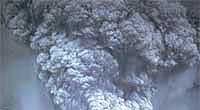
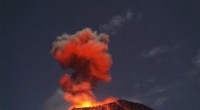
* Plate tectonics: The movement of Earth's tectonic plates, causing earthquakes, volcanic eruptions, and mountain building.
* Weathering: The breakdown of rocks and minerals by physical and chemical processes.
* Erosion: The transport of weathered material by wind, water, or ice.
* Deposition: The settling of transported material in new locations.
In summary, the geosphere is the solid, non-living part of Earth, encompassing its rocks, minerals, layers, landforms, and the processes that shape them.