Here are some possibilities based on what "discharge" might refer to:
* Discharge of groundwater: This refers to the flow of groundwater to the surface, often at springs or seeps. The geology of the area plays a crucial role in controlling groundwater flow and discharge. For example, the type of rock and soil, fractures, and the presence of aquifers all influence where and how groundwater is discharged.
* Discharge of sediment: This refers to the movement and deposition of sediments by rivers, glaciers, wind, or other agents. The geology of the area influences the type and amount of sediment transported and deposited. This can include the erosion of rocks, the formation of deltas, and the deposition of alluvial fans.
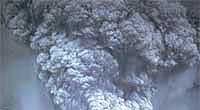
* Discharge of volcanic materials: Volcanoes discharge magma, ash, and other materials during eruptions. The geology of the area, particularly the presence of volcanic rocks and structures, influences the type and magnitude of these discharges.
* Discharge of pollutants: This refers to the release of pollutants into the environment, often due to human activities. Geology plays a role in how pollutants are transported, stored, and degraded in the environment. For example, the type of soil and bedrock can affect the movement of pollutants in groundwater.
To better understand what you're looking for, please provide more context. For example:
* What specifically are you interested in the discharge of? (e.g., water, sediment, pollutants, etc.)
* What is the context of your question? (e.g., are you studying a specific region, a particular geological process, etc.)
With more information, I can provide you with a more accurate and helpful answer.