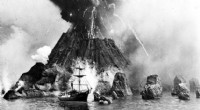
* Lack of Volcanic Activity: Subduction zones are often characterized by active volcanism. If a mountain range shows no evidence of past or present volcanoes, it's unlikely to have been formed by subduction.
* Absence of Deep-Sea Trenches: Subduction zones are typically marked by deep ocean trenches where one plate bends and slides beneath another. If no trench is found near the mountain range, it's a strong indicator that subduction wasn't involved.
* Presence of Extensive Faulting: While subduction can create faults, it often results in more complex deformation. If the mountain range primarily consists of large, straight faults, this suggests a different formation mechanism, like a rift zone or continent-continent collision.
* Lack of Accretionary Prisms: Subduction zones often accumulate sediments and rock fragments at the leading edge of the overriding plate, forming an accretionary prism. If no such prism is found, it's less likely that subduction played a major role.
* Low-Grade Metamorphism: Subduction zones often involve high-pressure, low-temperature metamorphism, leading to the formation of specific mineral assemblages. If the rocks in the mountain range show only low-grade metamorphism, it might indicate a different formation process.
* Limited Regional Deformation: Subduction zones are associated with widespread and complex deformation, including folding and faulting. If the mountain range only shows limited deformation, it suggests other processes might have been more significant.
Note: It's important to remember that these are just indications, and a combination of factors needs to be considered to definitively rule out subduction as the formation mechanism.