* Oceanic-Continental Convergence: This is the most common type of subduction zone. A denser oceanic plate slides beneath a less dense continental plate. This process creates:
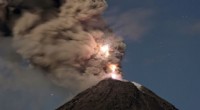
* Volcanoes: The melting of the subducted oceanic plate leads to the formation of volcanoes on the continent.
* Trenches: The point where the two plates meet forms a deep trench in the ocean floor.
* Mountain Ranges: The uplifted landmass on the continental side can form large mountain ranges.
* Oceanic-Oceanic Convergence: When two oceanic plates collide, the older, denser plate subducts beneath the younger, less dense plate. This can lead to:
* Island Arcs: A chain of volcanic islands forms along the edge of the overriding plate.
* Trenches: As in oceanic-continental convergence, a deep trench forms at the point of contact.
Examples of Subduction Zones:
* The Pacific Ring of Fire: This area around the Pacific Ocean is home to numerous subduction zones, resulting in active volcanoes and frequent earthquakes.
* The Andes Mountains: The Nazca Plate subducts beneath the South American Plate, creating the Andes Mountains.
* The Cascade Range: This volcanic mountain range in North America is formed by the subduction of the Juan de Fuca Plate beneath the North American Plate.
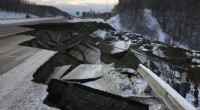
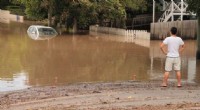
Important Note: Subduction zones are areas of intense geological activity, often leading to earthquakes, volcanic eruptions, and tsunamis.