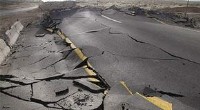
Rifting:
* Pulling Apart: Rifting occurs when tectonic plates move apart (diverge). This pulling force stretches and thins the Earth's crust, creating long, narrow depressions called rift valleys.
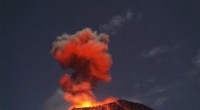
* Volcanic Activity: As the crust thins, magma rises from the mantle, often leading to volcanic activity along the rift zone. These volcanoes can contribute to the formation of new landmasses.
* Formation of New Ocean Basins: Continued rifting can eventually lead to the complete separation of continents. The rift valley widens, filling with seawater and creating a new ocean basin. The Red Sea and the Gulf of Aden are examples of young rift valleys that are on their way to becoming ocean basins.
* Examples: The East African Rift Valley, the Red Sea, the Gulf of Aden.
Accretion:
* Building Up: Accretion is the process by which small pieces of crust, called terranes, collide with and attach to a larger continental landmass.
* Diverse Origins: Terranes can be fragments of oceanic crust, volcanic arcs, or even continental fragments.
* Mountain Building: Accretion often results in mountain building (orogeny) as the colliding masses are compressed and uplifted.
* Adding New Land: Accretion can significantly increase the size and complexity of continents.
* Examples: The western coast of North America, the Himalayas.
How they shape continents:
* Rifting:
* Divides Continents: Rifting can break continents into smaller pieces.
* Creates New Seas: Rifting leads to the formation of new oceans.
* Forms Rift Valleys: These are prominent landforms that can become long, narrow depressions.
* Accretion:
* Builds Up Continents: Accretion adds new landmass to existing continents.
* Increases Complexity: Accretion can make continents more diverse and complex in their geology and landscape.
* Forms Mountains: Accretion often leads to the creation of mountain ranges.
In summary: Rifting tears continents apart and creates new oceans, while accretion adds new landmass to continents and can result in the formation of mountains. Both processes contribute to the ever-changing shapes and structures of the Earth's continents.