1. Earth's History:
* Past Environments: Geologists analyze fossils and rock types to reconstruct ancient environments, climates, and life forms. This helps us understand how the Earth has changed over millions of years.
* Plate Tectonics: They study the movement and interaction of Earth's tectonic plates, which cause earthquakes, volcanoes, and mountain building.
* Climate Change: Geologists study past climate changes recorded in rocks and ice cores to better understand current climate change and predict future scenarios.
2. Earth's Resources:
* Mineral Deposits: They search for valuable minerals like gold, copper, and iron, which are essential for industries and technology.
* Oil and Gas: Geologists use geological data to find and extract oil and natural gas reserves.
* Groundwater: They study the movement and quality of groundwater, a vital resource for drinking and agriculture.
3. Earth's Hazards:
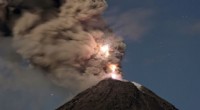
* Earthquakes and Volcanoes: Geologists study the risks and patterns of earthquakes and volcanic eruptions to help mitigate disasters and build safer communities.
* Landslides and Floods: They investigate the causes and impacts of landslides and floods, and develop methods to prevent or minimize damage.
* Coastal Erosion: They study the erosion of coastlines due to rising sea levels and storms, and develop strategies for coastal protection.
4. Earth's Processes:
* Erosion and Weathering: Geologists study the processes that break down rocks and reshape the Earth's surface.
* Sedimentation: They analyze the formation and distribution of sediments, which provide valuable insights into past environments.
* Geochemistry: Geologists study the chemical composition of rocks, minerals, and fluids to understand Earth's processes and history.
In addition to these core areas, geologists can specialize in various fields, such as:
* Hydrogeology: Study of groundwater and its interaction with the environment.
* Engineering Geology: Application of geological principles to engineering projects.
* Environmental Geology: Study of the impact of human activities on the environment.
* Paleontology: Study of fossils to understand past life and environments.
Ultimately, geologists are curious explorers who unravel the mysteries of our planet, contributing to our understanding and responsible management of Earth's resources.