The Himalayas, the "Abode of Snow", are a majestic testament to the immense power of tectonic forces. Their formation is a story of collision, uplift, and ongoing change, spanning millions of years.
Here's a breakdown of the process:
1. Continental Drift:
* Around 225 million years ago, the Earth's continents were joined together in a supercontinent called Pangaea.
* Over millions of years, this supercontinent began to break apart due to the movement of tectonic plates.
* The Indian subcontinent, initially located much further south, started drifting northward.
2. The Collision:
* Around 50 million years ago, the Indian subcontinent, a separate tectonic plate, collided with the Eurasian plate.
* This collision was incredibly powerful, causing the denser Indian plate to subduct (slide) beneath the Eurasian plate.
* The force of the collision crumpled and uplifted the Earth's crust, creating the massive Himalayan range.
3. Uplift and Folding:
* The intense pressure from the colliding plates pushed the rock layers upwards, forming the majestic Himalayan peaks.
* The rocks were also folded and faulted, creating the intricate geological structures we see today.
* This process of uplift is ongoing, causing the Himalayas to grow taller by a few millimeters each year.
4. The Tibetan Plateau:
* The collision also created the Tibetan Plateau, the world's highest plateau, north of the Himalayas.
* This vast expanse of land was formed due to the compression and uplift of the Earth's crust.
5. The Himalayas Today:
* The Himalayas are still actively rising, and this ongoing process continues to shape the landscape.
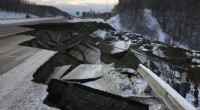
* The region is prone to earthquakes and landslides due to the tectonic activity.
* The Himalayas are a vital source of fresh water for millions of people, as many major rivers originate in the region.
Simplified Analogy:
Imagine two cars colliding head-on. The impact would cause the front of the cars to crumple and bend. Similarly, the collision of the Indian and Eurasian plates caused the Earth's crust to crumple and rise, forming the Himalayas.
The Himalayas are a breathtaking example of the dynamic nature of our planet. Their formation, a testament to the immense power of tectonic forces, continues to shape the landscape and influence the lives of millions.