1. Deposition:
- Sedimentation: As sediments (sand, silt, clay, organic matter) are deposited over time, they form layers. The type of sediment and its depositional environment (e.g., river, lake, ocean) influence the characteristics of the rock layer.
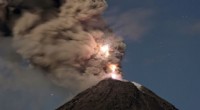
- Volcanic Activity: Volcanic eruptions can deposit ash, lava flows, and other materials, forming layers of igneous rocks.
2. Erosion:
- Weathering: Wind, rain, ice, and other atmospheric agents break down existing rock layers, gradually eroding them away.
- Transportation: Erosion products are transported by water, wind, or ice, leading to the removal and redistribution of rock layers.
3. Uplift and Subsidence:
- Tectonic Plates: The movement of tectonic plates can cause areas of land to uplift or subside, altering the orientation and position of rock layers.
- Mountain Building: Collisions between tectonic plates can fold, fault, and uplift rock layers, forming mountains.
4. Folding and Faulting:
- Folding: Pressure from tectonic forces can cause rock layers to bend and fold, creating anticlines (upward folds) and synclines (downward folds).
- Faulting: When rocks break under pressure, they can move along fractures called faults, creating offsets and displacements in rock layers.
5. Metamorphism:
- Heat and Pressure: Existing rock layers can be transformed into new rock types (metamorphic rocks) through intense heat and pressure, often associated with tectonic activity or burial beneath other rock layers.
6. Diagenesis:
- Lithification: As sediment layers accumulate, the weight of overlying material compresses and cements the sediments together, transforming them into solid rock.
- Chemical Alterations: Minerals within rock layers can be altered or dissolved by chemical reactions, leading to changes in the composition and appearance of the rocks.
7. Biological Processes:
- Fossil Formation: Organisms that live in sedimentary environments can leave behind remains or traces, creating fossils within rock layers.
- Organic Matter Decay: Decaying organic matter can contribute to the formation of coal and other sedimentary rocks.
These processes occur over long periods, sometimes millions of years, shaping the Earth's surface and creating the diverse geological formations we see today. The study of rock layers and their changes is crucial for understanding Earth's history, past environments, and the processes that continue to shape our planet.