These three types of magma differ significantly in their composition, viscosity, and eruptive style:
1. Composition:
* Basalt: Rich in magnesium and iron, low in silica (SiO2), making it a mafic magma.
* Rhyolite: High in silica, low in magnesium and iron, classified as a felsic magma.
* Andesite: Intermediate in composition between basalt and rhyolite, classified as an intermediate magma.
2. Viscosity:
* Basalt: Low viscosity, flows easily.
* Rhyolite: High viscosity, flows slowly and often explosively.
* Andesite: Intermediate viscosity, flows more easily than rhyolite but less easily than basalt.
3. Eruptive Style:
* Basalt: Typically effusive eruptions, characterized by lava flows.
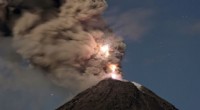
* Rhyolite: Typically explosive eruptions, producing ash clouds, pyroclastic flows, and volcanic domes.
* Andesite: Can be both effusive and explosive, depending on specific conditions.
Here's a table summarizing the differences:
| Feature | Basalt | Andesite | Rhyolite |
|---|---|---|---|
| Composition | Mafic | Intermediate | Felsic |
| Silica Content | Low | Medium | High |
| Viscosity | Low | Medium | High |
| Eruptive Style | Effusive | Effusive & Explosive | Explosive |
| Typical Landforms | Shield volcanoes, lava flows | Stratovolcanoes, lava domes | Caldera, ash flows |
Additional Factors:
* Temperature: Basalt is the hottest, followed by andesite, and then rhyolite.
* Gas Content: Rhyolite tends to have a higher gas content, leading to more explosive eruptions.
Origin:
* Basalt: Typically generated at mid-ocean ridges, divergent plate boundaries, and hotspots.
* Rhyolite: Often found in continental settings, formed by the partial melting of existing crust.
* Andesite: Commonly found in subduction zones, where oceanic crust melts and mixes with continental crust.
Understanding these differences is essential to appreciating the diverse landscapes and volcanic activity on Earth.