1. Trenches: These are deep, narrow depressions in the ocean floor that form at the point where one tectonic plate slides beneath another. The deepest part of the ocean, the Mariana Trench, is a prime example of a subduction zone trench.
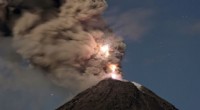
2. Volcanic Arcs: As the subducting plate descends, it melts, and the magma rises to the surface, creating volcanoes. These volcanoes often form chains of islands called volcanic arcs, like the Aleutian Islands in Alaska.
3. Earthquakes: The movement of the plates at a subduction zone causes earthquakes. The largest and most destructive earthquakes occur at subduction zones.
4. Accretionary Prisms: Sediment scraped off the descending plate accumulates in a wedge-shaped structure called an accretionary prism. This material contributes to the growth of the overriding plate.
5. Forearc Basin: A basin develops between the volcanic arc and the trench, often filled with sediment eroded from the volcanic arc and the adjacent continental landmass.
6. Backarc Basin: A basin can form behind the volcanic arc, characterized by crustal stretching and sometimes volcanic activity.
In summary, subduction zones are dynamic environments where the Earth's tectonic plates collide, resulting in trenches, volcanic arcs, earthquakes, accretionary prisms, forearc basins, and backarc basins. These features are key indicators of the subduction process and play significant roles in shaping the Earth's surface.