Here's why:
* Opposite Directions: In a transform fault, the rocks on either side of the fault move horizontally past each other in opposite directions. Imagine two giant plates sliding past each other.
* Different Rates: The movement of the plates doesn't always happen at the same speed. One plate might be moving slightly faster than the other, leading to a difference in the rate of movement.
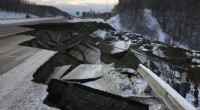
Key Example: The San Andreas Fault in California is a classic example of a transform fault. The Pacific Plate (west side) is moving north relative to the North American Plate (east side). This movement causes earthquakes along the fault line.