Weathering:
* Physical weathering: This involves the breakdown of rocks into smaller pieces without changing their chemical composition.
* Frost wedging: Water seeps into cracks in rocks, freezes, expands, and breaks the rock apart.
* Thermal expansion and contraction: Rocks expand when heated and contract when cooled. This repeated cycle can cause cracks to form and widen.
* Abrasion: Rocks rub against each other, such as during windstorms or the movement of glaciers, causing them to wear down.
* Root wedging: Plant roots grow into cracks in rocks, expanding and breaking them apart.
* Chemical weathering: This involves the breakdown of rocks through chemical reactions.
* Oxidation: Iron in rocks reacts with oxygen, forming iron oxide (rust) which weakens the rock.
* Hydrolysis: Water reacts with minerals in rocks, breaking them down.
* Carbonation: Carbon dioxide in the atmosphere dissolves in rainwater, forming a weak acid that can dissolve certain minerals in rocks, like limestone.
* Biological weathering: Organisms, like lichens and bacteria, can produce acids that break down rocks.
Erosion:
* Erosion is the movement of weathered rock fragments from one place to another. This is often caused by:
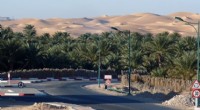
* Wind: Wind carries sand and dust, which can wear away rocks.
* Water: Rivers, streams, waves, and rain can carry away rock fragments.
* Glaciers: As glaciers move, they scrape and scour the landscape, carrying away rock and soil.
* Gravity: Gravity causes rock fragments to roll, slide, and fall downhill, which can also contribute to erosion.
Together, weathering and erosion shape the Earth's surface, creating mountains, valleys, canyons, and other landforms.