1. Weathering and Erosion: This is the breakdown of existing rocks (igneous, metamorphic, or even other sedimentary rocks) into smaller pieces. Weathering can be caused by:
* Physical weathering: Freezing and thawing, wind abrasion, or the grinding of rocks against each other.
* Chemical weathering: Reactions with water, acids, or oxygen that break down minerals.
2. Transportation: The weathered fragments are moved away from their original location by wind, water, ice, or gravity. Larger, heavier pieces are transported shorter distances, while smaller, lighter particles can travel further.
3. Deposition: As the transporting force loses energy (e.g., a river slowing down), the sediments settle out and accumulate in layers, often in low-lying areas like lakes, oceans, or valleys.
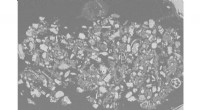
4. Lithification: This is the process by which loose sediments are transformed into solid rock. It involves two main components:
* Compaction: As more layers of sediment accumulate, the weight of the overlying material compresses the lower layers, squeezing out water and air.
* Cementation: Dissolved minerals in the water between the sediment grains precipitate out and crystallize, acting like glue to bind the particles together.
These four stages, working together over long periods, create the diverse range of sedimentary rocks we see today.