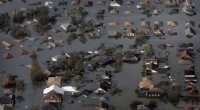
1. Water: This is the most common cause of erosion. Rain, rivers, oceans, and even melting snow can wear away soil and rock. Think about the Grand Canyon - it was formed by the erosive power of the Colorado River over millions of years.
2. Wind: Dry, windy areas are particularly susceptible to wind erosion. Strong winds pick up loose soil and sand, carrying it away and depositing it elsewhere. Think about the sand dunes in deserts.
3. Ice: Glaciers are powerful forces of erosion. As they move, they scrape and carve out the land beneath them. This can create dramatic landscapes like fjords and valleys.
4. Gravity: Gravity pulls everything downhill. This can cause soil and rock to slide down slopes, especially in areas with steep inclines. Landslides and mudslides are examples of erosion caused by gravity.
It's important to remember that these four factors often work together, and their impact can be compounded by human activities like deforestation and agriculture.