Erosion:
* Weathering: This is the breakdown of rocks due to exposure to elements like wind, rain, ice, and temperature changes.
* Physical weathering: Frost wedging (water freezing and expanding in cracks), abrasion (wind and water carrying sediments that grind against rock), and thermal stress (expansion and contraction due to temperature changes) are examples.
* Chemical weathering: This involves chemical reactions that break down rocks, like oxidation (rusting), dissolution (rock dissolving in acidic water), and hydrolysis (water reacting with minerals).
* Mass Wasting: This refers to the downward movement of rock and soil under the influence of gravity.
* Landslides: Rapid movements of large volumes of rock and soil.
* Creep: Slow, continuous movement of soil and rock downslope.
* Water Erosion: Rain, rivers, and glaciers can carve out valleys and erode mountainsides, carrying away sediment.
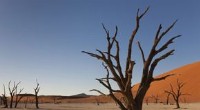
* Wind Erosion: Wind can transport sand and dust, which can abrade rocks and sculpt landscapes.
* Glacial Erosion: Glaciers are powerful agents of erosion. Their weight and movement can carve out valleys, form cirques (bowl-shaped depressions), and transport large amounts of rock and sediment.
Uplift:
* Tectonic Plate Movements: The Earth's tectonic plates are constantly moving, and when they collide, they can push up mountains. This is known as orogenesis.
* Folding: When rock layers are compressed, they can bend and buckle, forming folds.
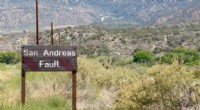
* Faulting: When rocks break and move along fractures called faults, they can create mountains or valleys.
Other Factors:
* Volcanic Activity: Volcanic eruptions can create mountains, but also erode existing ones through ash and lava flows.
* Human Impact: Human activities like mining, deforestation, and construction can accelerate erosion and alter mountain landscapes.
It's important to note that:
* Erosion and uplift are ongoing processes, and mountains are constantly changing, even if slowly.
* The destruction of a mountain range is a very long-term process, taking millions of years.
* Mountains are not simply destroyed, but they can be worn down and their features can be significantly altered over time.
Let me know if you would like more information on any of these topics!