1. Continental Drift and Plate Tectonics:
* The Indian Plate: Millions of years ago, the Indian tectonic plate was a separate landmass, drifting northward. It was moving faster than other plates.
* The Eurasian Plate: The Eurasian plate was also drifting, but at a slower pace.
2. The Collision:
* The Convergence: As the Indian plate moved northward, it eventually collided with the Eurasian plate. This collision began around 50 million years ago.
* Subduction: Initially, the denser oceanic crust of the Indian plate subducted (slid) beneath the Eurasian plate.
* Continental Collision: However, as the Indian plate continued its northward journey, its continental crust, less dense than oceanic crust, collided with the Eurasian plate. This collision was too powerful for either plate to subduct, so they crumpled and buckled upwards.
3. Mountain Building:
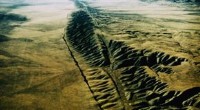
* Folding and Faulting: The immense pressure from the colliding plates caused the Earth's crust to fold, creating the towering peaks we see today. Fault lines, fractures in the Earth's crust, were also created.
* Uplift: As the pressure built, the landmass was pushed upwards, forming the towering peaks of the Himalayas.
4. Ongoing Process:
* Continued Convergence: The Indian plate continues to move northward at a rate of approximately 5 centimeters per year. This ongoing collision continues to push the Himalayas upward, making them the youngest and still-growing mountain range on Earth.
5. Effects of the Collision:
* Earthquake Activity: The Himalayan region is one of the most seismically active zones on Earth, with frequent earthquakes caused by the ongoing collision of the plates.
* Climate Change: The Himalayas play a crucial role in global climate patterns. The mountains influence rainfall and wind patterns across Asia. They also act as a major water source for rivers that flow through much of Asia.
The Himalayan ranges are a testament to the immense forces that shape our planet. The collision of these ancient tectonic plates continues to shape the landscape, leaving behind a majestic and awe-inspiring mountain range.