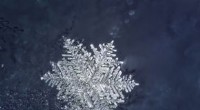
1. Snowfall: Snow falls on the glacier's surface.
2. Compaction: The weight of the snow above compresses the lower layers, pushing out air and forming denser snow called firn.
3. Recrystallization: Firn further compacts over time, forming larger ice crystals. The pressure from the weight of the overlying snow causes the ice to recrystallize, forming a solid mass.
Key Factors in Glacier Growth:
* High snowfall: A glacier needs enough snowfall to replenish the ice it loses through melting and calving (breaking off icebergs).
* Low temperatures: Temperatures need to be consistently below freezing for snow and ice to accumulate.
* Altitude: Higher altitudes generally have colder temperatures and more snowfall, making them ideal for glacier growth.
* Aspect: The direction a glacier faces can affect how much sunlight it receives, influencing melt rates.
How a Glacier Reaches Equilibrium:
While accumulation adds to a glacier's size, other processes like ablation (melting, evaporation, and calving) remove ice. A glacier reaches equilibrium when the rate of accumulation equals the rate of ablation. This doesn't mean the glacier is stationary; it can still flow slowly.
Impact of Climate Change:
Climate change is significantly affecting glaciers worldwide. Rising temperatures lead to increased melting and ablation, causing glaciers to shrink and retreat. This is a serious concern, as glaciers are important sources of freshwater and play a role in regulating sea level.