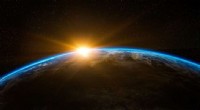
Earth's atmosphere is a gaseous layer surrounding our planet, composed primarily of:
* Nitrogen (N2): 78%
* Oxygen (O2): 21%
* Argon (Ar): 0.93%
* Carbon Dioxide (CO2): 0.04%
The remaining tiny percentage includes trace gases like neon, helium, methane, and ozone.
This atmosphere plays a crucial role in:
* Protecting us from harmful radiation: The ozone layer absorbs most of the sun's harmful ultraviolet radiation.
* Regulating temperature: The greenhouse effect, caused by gases like CO2, traps some of the sun's heat, keeping Earth warm enough for life.
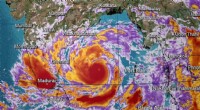
* Weather and climate: Atmospheric circulation patterns drive weather systems, creating diverse climates across the globe.
* Supporting life: Oxygen in the atmosphere is essential for respiration, and the atmosphere provides the necessary gases for photosynthesis.
The atmosphere is divided into layers:
* Troposphere: The lowest layer, where weather occurs and most life resides.
* Stratosphere: Contains the ozone layer, which protects from UV radiation.
* Mesosphere: A cold layer where most meteors burn up.
* Thermosphere: The hottest layer, where the aurora borealis occurs.
* Exosphere: The outermost layer, where the atmosphere gradually fades into space.
Earth's surface is a dynamic and diverse environment, sculpted by geological processes over millions of years. Major features include:
* Continents: Large landmasses, each with unique geological formations, landscapes, and ecosystems.
* Oceans: Vast bodies of saltwater covering about 71% of Earth's surface. They play a crucial role in regulating climate and supporting marine life.
* Mountains: Elevated landforms, formed by tectonic plate collisions or volcanic activity.
* Valleys: Depressions in the land, often carved by rivers or erosion.
* Plains: Flat, extensive areas of land, often formed by erosion or deposition of sediment.
* Deserts: Dry regions with little rainfall, characterized by extreme temperature fluctuations and sparse vegetation.
* Forests: Densely wooded areas, vital for biodiversity and carbon sequestration.
* Glaciers: Masses of ice that flow slowly over land, shaping landscapes through erosion and deposition.
* Volcanoes: Openings in Earth's crust where molten rock, ash, and gas erupt.
These features are constantly changing due to:
* Tectonic plate movement: The movement of Earth's crustal plates causes earthquakes, volcanic eruptions, and the formation of mountains and valleys.
* Erosion: The gradual wearing away of rock and soil by wind, water, and ice.
* Weathering: The breakdown of rocks and minerals by physical and chemical processes.
Understanding Earth's atmosphere and surface features is crucial for comprehending the complex interactions between Earth's systems and the processes shaping our planet.