Here's why:
* Angular fragments: Breccia is characterized by its angular rock fragments, unlike a conglomerate which has rounded fragments.
* Finer matrix: The angular fragments are embedded in a finer-grained matrix, which can be composed of volcanic ash, dust, or other smaller fragments.
* Volcanic activity: Breccia can be formed by various processes, but the specific type you're referring to is likely a volcanic breccia. This type forms during volcanic eruptions due to the explosive fragmentation of lava and surrounding rock.
Other types of breccia:
* Tectonic breccia: Formed by faulting and fracturing of rocks.
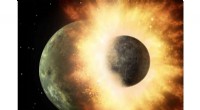
* Impact breccia: Formed by the impact of meteorites or asteroids.
* Sedimentary breccia: Formed by the accumulation and cementation of angular rock fragments in a sedimentary basin.
Let me know if you have any other questions about rocks!