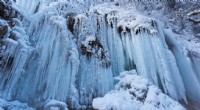
Cirques are bowl-shaped depressions on the side of a mountain that are formed by glacial erosion. Here's how they form:
* Snow Accumulation: Snow accumulates in a sheltered spot on the mountainside, forming a snowfield.
* Glacier Formation: Over time, the snow compresses into ice, creating a glacier.
* Erosion: The glacier's movement, powered by gravity, erodes the surrounding rock, carving out the bowl shape.
* Freeze-Thaw Weathering: The freezing and thawing of water in cracks within the rock further contributes to the erosion.
Key Features of Cirques:
* Bowl-shaped: They have a steep back wall and a relatively flat floor.
* Tarn: Often, a lake (called a tarn) forms at the bottom of the cirque when the glacier melts.
* Aretes: Sharp, jagged ridges called aretes often separate neighboring cirques.
* Horn: When multiple cirques erode back into a mountain peak, they can create a pointed peak called a horn.
Cirques are a common feature in mountainous regions that have experienced glacial activity.