1. Plate Tectonics:
* Uplift: The primary force driving mountain formation is plate tectonics. When tectonic plates collide, the immense pressure causes the Earth's crust to buckle, fold, and uplift, forming mountains.
* Erosion: Weathering and erosion, caused by wind, rain, ice, and gravity, constantly wear down mountains over long periods.
* Faulting: Earthquakes and other tectonic activity can cause faults to form, which can uplift or depress sections of mountains.
2. Weathering and Erosion:
* Weathering: This is the process of breaking down rocks into smaller pieces through physical (like freezing/thawing) or chemical (like acid rain) processes.
* Erosion: This involves the transport of weathered material by wind, water, or ice, further shaping and lowering mountains.
3. Glaciers:
* Glacial Erosion: Glaciers can carve out valleys and sculpt mountains, leaving behind distinctive features like U-shaped valleys and cirques.
* Glacial Deposition: Glaciers deposit sediment as they melt, creating moraines and other landforms that can affect mountain topography.
4. Volcanic Activity:
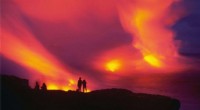
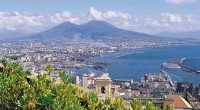
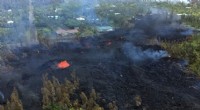
* Eruptions: Volcanic eruptions can build mountains, create craters, and deposit ash and lava, which can alter the shape and landscape of existing mountains.
5. Climate Change:
* Temperature Changes: Climate change can influence weathering and erosion rates, altering the appearance of mountains over time.
* Precipitation Changes: Shifts in precipitation patterns can influence glacial activity and erosion rates, affecting mountain landscapes.
6. Human Activities:
* Mining: Mining operations can drastically alter mountain landscapes, creating open pits and removing vast amounts of material.
* Construction: Construction projects, such as roads and dams, can alter mountain topography and impact ecosystems.
In summary, mountains are constantly evolving and changing due to the interplay of tectonic forces, weathering, erosion, glacial activity, volcanic activity, climate change, and human activities. The rates of change vary greatly depending on the specific geological processes involved and the local environment.