* Rock formation is a continuous process: Rocks are constantly forming, eroding, and reforming through the rock cycle. This cycle doesn't stop for specific geological eras.
* Mesozoic sedimentary rocks: The Mesozoic Era saw the formation of vast sedimentary rock layers, including:
* Sandstones: Formed from sand deposited in deserts, beaches, or riverbeds.
* Limestones: Formed from the accumulation of marine organisms' shells and skeletons.
* Shales: Formed from fine-grained mud deposited in quiet water environments.
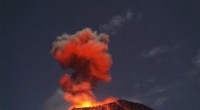
* Mesozoic igneous rocks: Volcanic activity was also prevalent during the Mesozoic, resulting in the formation of igneous rocks like:
* Basalt: Extrusive volcanic rock formed from lava flows.
* Granite: Intrusive igneous rock formed from slowly cooling magma deep underground.
* Mesozoic metamorphic rocks: Existing rocks can be transformed by heat, pressure, and chemical reactions, forming metamorphic rocks like:
* Marble: Metamorphosed limestone.
* Slate: Metamorphosed shale.
Therefore, the Mesozoic Era witnessed the formation of a wide range of rocks, just like any other geological era.