The Earth's interior is a dynamic place, constantly undergoing a variety of physical processes. These processes shape our planet, driving geological features and influencing life on the surface. Here are some key processes and their effects:
1. Plate Tectonics:
* Process: The Earth's outermost layer, the lithosphere, is broken into large pieces called tectonic plates. These plates constantly move, driven by heat convection in the mantle below.
* Effects:
* Mountain Formation: When plates collide, the pressure forces landmasses to buckle and uplift, creating mountains like the Himalayas.
* Volcanism: When plates diverge or slide past each other, magma from the mantle can rise to the surface, creating volcanoes.
* Earthquakes: The movement of plates along fault lines can cause sudden releases of energy, resulting in earthquakes.
* Seafloor Spreading: Plates diverging at mid-ocean ridges allow magma to rise and create new oceanic crust.
2. Mantle Convection:
* Process: Heat from the Earth's core causes the mantle to circulate in a slow convection current. Hotter, less dense material rises, while cooler, denser material sinks.
* Effects:
* Plate Tectonics: The movement of mantle convection drives the movement of tectonic plates.
* Magnetic Field: The Earth's magnetic field is generated by the movement of molten iron in the outer core, which is influenced by mantle convection.
3. Radioactive Decay:
* Process: The Earth's core contains radioactive elements like uranium, thorium, and potassium. These elements decay and release heat, contributing to the internal heat of the Earth.
* Effects:
* Mantle Convection: The heat from radioactive decay drives the convection currents in the mantle.
* Volcanism: Radioactive decay provides a significant source of heat for volcanic activity.
4. Magma Generation:
* Process: The melting of rocks in the Earth's mantle, primarily driven by heat from the core and radioactive decay, creates magma.
* Effects:
* Volcanism: Magma rises to the surface, erupting as volcanoes.
* Intrusive Igneous Rocks: Magma that cools and solidifies underground forms intrusive igneous rocks like granite.
5. Erosion and Weathering:
* Process: The breakdown and transport of rock and soil by forces like wind, water, ice, and biological activity.
* Effects:
* Landforms: Erosion shapes the Earth's surface, creating features like canyons, valleys, and beaches.
* Sedimentation: Eroded material is transported and deposited, forming sedimentary rocks and landscapes.
6. Impact Events:
* Process: Collisions of asteroids, comets, or other celestial objects with the Earth.
* Effects:
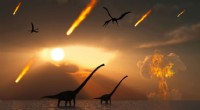
* Extinctions: Large impact events have caused mass extinction events, like the one that wiped out the dinosaurs.
* Crater Formation: Impact craters are a visible reminder of these events.
These processes are interconnected and constantly interacting, shaping the Earth's surface and influencing its climate, atmosphere, and life. Studying these processes helps us understand the past, present, and future of our planet.