Here's how geological change happens according to uniformitarianism:
* Slow and Gradual Processes: Earth's features like mountains, canyons, and valleys are sculpted by ongoing processes like:
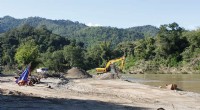
* Erosion: Wind, water, and ice wear away rock and soil, shaping landscapes.
* Weathering: Chemical and physical processes break down rocks into smaller pieces.
* Plate Tectonics: The slow movement of Earth's tectonic plates causes earthquakes, volcanic eruptions, and the formation of mountains and ocean basins.
* Sedimentation: The deposition of sediments (sand, silt, clay) over time forms layers of rock.
* The Present is the Key to the Past: By studying the processes happening today, geologists can understand how the Earth's features were formed in the past. For example, observing the erosive power of a river today helps explain how a canyon was carved millions of years ago.
* The "Present" is a Wide Spectrum: Uniformitarianism doesn't suggest that all processes always happen at the same rate. The intensity of these processes can vary, leading to periods of rapid change and periods of relative stasis. For example, a massive volcanic eruption might be considered a rapid change, but it's still a manifestation of the same processes that drive volcanism over millions of years.
Key Points to Remember:
* Uniformitarianism emphasizes the importance of understanding the present to interpret the past.
* It's not about denying the possibility of catastrophic events, but about recognizing that gradual processes are the primary drivers of geological change.
* The principle has been essential for understanding the Earth's history and developing geological time scales.
In a nutshell, uniformitarianism suggests that the Earth's features are the result of the slow, continuous action of natural processes over long periods of time.