Weathering:
* Definition: The breakdown of rocks, soils, and minerals through direct contact with the Earth's atmosphere, water, and biological organisms.
* Types:
* Physical weathering: Breaking rocks into smaller pieces without changing their chemical composition. Examples include:
* Frost wedging: Water freezes in cracks, expands, and widens the cracks.
* Abrasion: Rocks and sediment carried by wind, water, or ice grind against other rocks.
* Chemical weathering: Changing the chemical composition of rocks through reactions with water, oxygen, or acids. Examples include:
* Dissolution: Minerals in rocks dissolve in acidic water.
* Oxidation: Iron in rocks reacts with oxygen, forming rust.
* Impact:
* Creates sediment: Weathering breaks down rocks into smaller particles that can be transported by erosion.
* Forms soil: Weathering helps create the foundation for soil development.
* Exposes bedrock: By removing weathered material, weathering exposes new bedrock, potentially leading to further weathering.
Erosion:
* Definition: The process of moving weathered material from one location to another.
* Agents of erosion:
* Wind: Transports sand, dust, and other small particles.
* Water: Carries sediments in rivers, streams, and oceans.
* Ice: Glaciers carve out valleys and transport massive amounts of rock and sediment.
* Gravity: Causes landslides and rockfalls.
* Impact:
* Shapes landforms: Erosion creates canyons, valleys, beaches, and other landforms.
* Transports sediment: Erosion moves sediment from one location to another, redistributing material across the Earth's surface.
* Can cause damage: Erosion can cause soil loss, landslides, and other environmental problems.
Deposition:
* Definition: The process of dropping or settling weathered and eroded material in a new location.
* Impact:
* Builds landforms: Deposition builds up beaches, deltas, sand dunes, and other landforms.
* Creates fertile soils: Deposition can add nutrients to soil, making it more fertile.
* Can create hazards: Deposition can block waterways, lead to flooding, or create unstable ground.
Overall Impact of Weathering, Erosion, and Deposition:
These three processes work together in a continuous cycle that constantly reshapes the Earth's surface:
* Weathering breaks down rocks.
* Erosion transports the weathered material.
* Deposition drops the material in a new location.
The Earth's surface is constantly changing due to this cycle, leading to:
* Formation of mountains and valleys: Weathering and erosion wear down mountains, creating valleys and other landforms.
* Creation of fertile soils: Weathering and deposition create fertile soil, supporting plant life and agriculture.
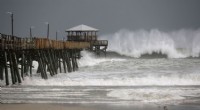
* Changes in coastlines: Erosion and deposition constantly shape coastlines, creating beaches, sandbars, and other features.
The balance of these processes is crucial for maintaining a healthy and dynamic Earth. Understanding these processes helps us understand the changing environment and how we can manage it sustainably.