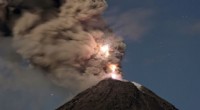
1. The Circum-Pacific Belt: This is the largest and most active earthquake zone in the world, encircling the Pacific Ocean. It's responsible for about 90% of the world's earthquakes and includes the "Ring of Fire", a region with frequent volcanic eruptions. Examples of regions in this belt include Japan, Chile, the West Coast of the United States, and Indonesia.
2. The Alpide Belt: This belt stretches from the Mediterranean Sea to the Himalayas, passing through the Middle East and Southeast Asia. It is responsible for about 5-6% of the world's earthquakes. Examples of regions in this belt include Turkey, Iran, and the Himalayas.
3. The Mid-Atlantic Ridge: This belt runs along the center of the Atlantic Ocean, marking the boundary where tectonic plates are pulling apart. While this belt experiences a significant number of earthquakes, they are generally weaker than those found in the Circum-Pacific and Alpide Belts.
It is important to note that these are not the only regions experiencing earthquakes. Earthquakes can occur in any region where tectonic plates interact, but these three zones are where they are most frequent and intense.