1. Hotspot Volcanoes:
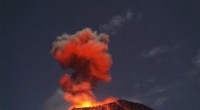
* Volcanic Islands: These are the most common landforms associated with mantle plumes. As the plume melts the overlying crust, it creates a chain of volcanoes that can eventually emerge from the ocean, forming islands like Hawaii, the Galapagos Islands, and Iceland.
* Seamounts: These are underwater volcanoes that may eventually grow large enough to become islands.
* Guyots: These are flat-topped seamounts that were once volcanic islands but have been eroded by waves and currents.
2. Large Igneous Provinces (LIPs):
* Plateaus: LIPs can form vast, flat plateaus like the Deccan Traps in India and the Columbia River Plateau in the United States. These plateaus are formed by massive outpourings of lava that cover large areas.
* Dykes and Sills: These are intrusions of magma that cool and solidify within the crust, creating vertical (dykes) and horizontal (sills) features.
3. Continental Rifts:
* Rift Valleys: When a mantle plume rises beneath a continent, it can cause the crust to stretch and thin, forming a rift valley. The East African Rift Valley is an example of a rift valley formed by a mantle plume.
* Volcanic Fields: Volcanic activity associated with a mantle plume can also create volcanic fields within the rift valley.
It's important to note that not all mantle plumes create landforms. Some plumes may remain within the Earth's mantle, never reaching the surface. Others may cause volcanic activity but not form recognizable landforms.
The type of landform formed by a mantle plume depends on several factors, including:
* The size and heat of the plume
* The thickness and composition of the overlying crust
* The tectonic setting (e.g., oceanic or continental)
* The duration of the plume's activity