Erosion:
* Plucking: As glaciers move, they freeze to bedrock and break off pieces, much like a giant ice scraper. This process is most effective in areas with cracks and weaknesses in the bedrock.
* Abrasion: Glaciers carry rocks and sediment embedded within their ice. This debris acts like sandpaper, grinding and smoothing the bedrock over which the glacier flows.
* Scouring: The sheer weight and pressure of glaciers carve out valleys, leaving behind characteristic U-shaped valleys, unlike the V-shaped valleys carved by rivers. This process can also create hanging valleys, where tributary glaciers once flowed into larger ones.
Deposition:
* Moraines: As glaciers melt, they deposit the sediment they have been carrying. This sediment forms moraines, ridges of glacial debris that can be found at the terminus (end) of a glacier, along its sides, or within the glacier itself.
* Outwash plains: Meltwater from glaciers carries sediment and deposits it beyond the glacier's edge, forming outwash plains, which are often characterized by sand and gravel deposits.
* Eskers: When meltwater flows through tunnels within a glacier, it carries sediment. When the glacier melts, the sediment is deposited as an esker, a long, sinuous ridge.
* Kettles: Blocks of ice can become buried within glacial deposits. When these blocks melt, they leave behind depressions called kettles.
* Drumlins: Glaciers can sculpt streamlined hills of till (unsorted sediment) called drumlins. They are elongated, often found in groups.
Landscape Features:
* Cirques: Bowl-shaped depressions carved by glaciers at the head of a valley.
* Aretes: Sharp, jagged ridges formed when two cirques erode towards each other.
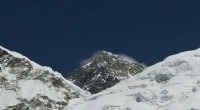
* Peaks: Pointed mountain summits created when glaciers erode all sides of a mountain.
* Fjords: Steep-sided, narrow inlets carved by glaciers along coastlines.
* U-shaped valleys: Glaciers carve out wide, deep valleys with relatively flat floors and steep sides.
* Glaciated plains: Vast, flat areas covered by glacial deposits.
Impact on Earth's Face:
Glacial erosion and deposition are responsible for:
* Mountain ranges: Glaciers carve out valleys, cirques, and peaks, sculpting majestic mountain landscapes.
* Coastal features: Fjords and inlets create dramatic coastlines.
* Soil formation: Glacial deposits provide the foundation for rich, fertile soils.
* Water resources: Glaciers store vast amounts of freshwater and meltwater that replenishes rivers and groundwater.
* Climate regulation: Glaciers reflect sunlight, impacting global temperatures.
Conclusion:
Glacial erosion and deposition are powerful forces that shape the Earth's landscape, leaving behind a unique and impressive array of features that are both beautiful and scientifically fascinating. Understanding these processes is crucial for appreciating the dynamic nature of our planet.