* Petroleum is a liquid: Unlike minerals that are solid and can be extracted from the earth through mining, petroleum is a liquid hydrocarbon found in porous rock formations beneath the Earth's surface.
* Drilling process: To access petroleum, oil wells are drilled deep into the ground. These wells tap into underground reservoirs containing oil and natural gas.
* Pumping: Once the well is drilled, the oil and gas are extracted using powerful pumps that bring the fluids to the surface.
Here's a simplified breakdown of the drilling process:
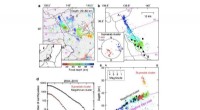
1. Exploration: Geologists use various techniques (seismic surveys, core samples) to identify potential oil and gas deposits.
2. Drilling: A rig is set up to drill a vertical or horizontal well into the rock formation containing the reservoir.
3. Production: Once the well reaches the reservoir, oil and gas are pumped to the surface.
4. Processing: The extracted oil and gas are transported to refineries for processing and refinement into usable products.
Important Note: Petroleum extraction is a complex and often controversial process with significant environmental impacts. The industry is facing increasing pressure to reduce its carbon footprint and develop more sustainable methods of energy production.