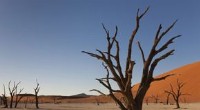
Physical Weathering:
* Fracturing and breaking: The rock might develop cracks, fissures, or even break into smaller pieces. This can happen due to:
* Frost wedging: Water seeps into cracks, freezes, expands, and puts pressure on the rock.
* Thermal expansion and contraction: Repeated heating and cooling of the rock causes it to expand and contract, weakening it over time.
* Abrasion: Rocks rub against each other (like in a river or desert) and wear away at their surfaces.
* Changes in shape and size: The rock might become more rounded, smoother, or have its edges chipped away.
* Exfoliation: Layers of rock peel away like an onion, often due to pressure release from deep within the Earth.
Chemical Weathering:
* Dissolution: Certain minerals in the rock may dissolve in water, especially acidic rain.
* Oxidation: Iron in the rock reacts with oxygen, forming iron oxides (like rust), which weakens the rock.
* Hydrolysis: Water reacts with minerals in the rock, changing their composition and making the rock more susceptible to other weathering processes.
* Biological weathering: Plants roots can grow into cracks, widening them, and some organisms produce acids that can dissolve rock.
Other Observable Changes:
* Color change: The rock's color might change due to oxidation, the formation of new minerals, or the removal of minerals.
* Formation of new minerals: Weathering can create new minerals within the rock, altering its appearance.
* Decreased density: The rock might become lighter and less dense as it is broken down.
Remember: The specific changes you observe will depend on the type of rock, the climate, and the other environmental factors present.