1. Convection Currents in the Mantle:
* The Earth's mantle, the layer beneath the crust, is made of hot, semi-solid rock.
* Heat from the Earth's core causes convection currents within the mantle: hot, less dense rock rises, while cooler, denser rock sinks.
* These currents act like a giant conveyor belt, dragging the tectonic plates along with them.
2. Tectonic Plates:
* The Earth's crust is divided into large, rigid plates called tectonic plates.
* These plates are constantly moving, interacting with each other at their boundaries.
3. Types of Plate Boundaries:
* Divergent Boundaries: Plates move apart, creating new crust. This often leads to mid-ocean ridges and volcanic activity.
* Convergent Boundaries: Plates collide, causing one plate to subduct (slide) under the other. This can result in mountain ranges, volcanic arcs, and earthquakes.
* Transform Boundaries: Plates slide horizontally past each other. These boundaries are characterized by frequent earthquakes.
4. Driving Forces:
* Mantle Convection: The primary driving force behind plate movement.
* Slab Pull: The weight of denser oceanic plates pulling them downwards at subduction zones.
* Ridge Push: The force exerted by the rising magma at mid-ocean ridges, pushing the plates apart.
5. Consequences of Plate Movement:
* Earthquakes: Caused by the sudden release of energy at fault lines (breaks in the Earth's crust).
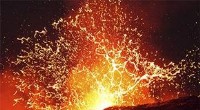
* Volcanoes: Formed when magma rises to the surface at divergent and convergent boundaries.
* Mountain Ranges: Created by the collision of tectonic plates.
* Ocean Basin Formation: Divergent plate boundaries create new ocean floor.
* Continents Drifting: The movement of continents over millions of years.
In summary, the Earth's crust moves due to the relentless force of mantle convection, which drags the tectonic plates along with it. These interactions at plate boundaries are responsible for the dynamic and ever-changing landscape of our planet.