* Deforestation: Cutting down trees for timber, fuel, or agriculture can leave the mountain slopes exposed and vulnerable to erosion.
* Overgrazing: Too many livestock grazing on mountain slopes can damage vegetation and compact the soil, making it less able to absorb water and resist erosion.
* Mining: Extraction of minerals and resources can strip away the topsoil and leave behind barren landscapes.
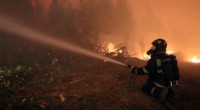
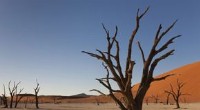
* Climate Change: Rising temperatures, altered precipitation patterns, and more frequent droughts can lead to forest fires, desertification, and overall vegetation loss.
* Natural Disasters: Volcanic eruptions, earthquakes, and landslides can strip away vegetation and soil.
Consequences of Denuded Mountains:
* Increased Erosion: Exposed soil is easily eroded by wind and rain, leading to landslides, mudslides, and sedimentation in rivers and lakes.
* Water Scarcity: Loss of vegetation reduces water infiltration and retention, leading to drier soil and decreased water availability for downstream communities.
* Habitat Loss: Denuded mountains lose their biodiversity and become less hospitable for animals and plants that rely on them.
* Climate Change Impacts: Reduced vegetation cover reduces carbon sequestration, exacerbating climate change.
* Economic Impacts: Denuded mountains can affect tourism, agriculture, and other industries that depend on their resources.
Reforestation and Conservation Efforts:
To address denuded mountains, various efforts are underway, including:
* Reforestation: Planting trees to restore vegetation cover and improve soil health.
* Sustainable Land Management: Implementing practices like controlled grazing, agroforestry, and soil conservation to prevent further degradation.
* Protected Areas: Establishing national parks and reserves to safeguard mountain ecosystems.
* Community Involvement: Engaging local communities in conservation efforts to ensure their long-term sustainability.
It's important to note that the term "denuded mountains" can be used in different contexts. In some cases, it might refer to mountains that have been naturally exposed due to geological processes over long periods. However, the focus is usually on human-induced degradation, which poses significant challenges to the environment and human societies.