* Erosion is a complex process: It involves multiple factors interacting in different ways.
* The causes vary: Erosion can be caused by natural forces like wind, water, ice, gravity, and even living organisms. It can also be significantly influenced by human activities.
Instead of counting causes, it's more helpful to categorize them:
1. Natural Causes:
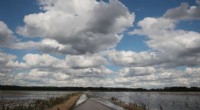
* Water Erosion: Rivers, streams, rainfall, waves, and glaciers can carve out land.
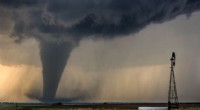
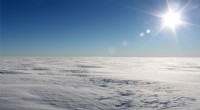
* Wind Erosion: Strong winds can pick up and transport soil and rock, especially in dry areas.
* Ice Erosion: Glaciers and ice sheets scrape and grind away at the land as they move.
* Gravity Erosion: Mass movements like landslides, rockfalls, and soil creep are driven by gravity.
* Biological Erosion: Plants, animals, and microbes can contribute to erosion through processes like root growth, burrowing, and decomposition.
2. Human-Induced Causes:
* Deforestation: Removing trees leaves the soil exposed and vulnerable to erosion.
* Agriculture: Plowing, tilling, and monoculture practices can disrupt the soil structure and increase erosion.
* Construction: Development and building activities can disturb the land and create erosion hotspots.
* Overgrazing: Excessive livestock grazing can damage vegetation and lead to soil erosion.
* Mining: Extracting resources can leave behind exposed and unstable land.
* Climate Change: Changing precipitation patterns, extreme weather events, and rising sea levels can exacerbate erosion.
It's important to remember that these factors often work together. For example, deforestation can increase the risk of landslides, which in turn can exacerbate erosion.
So, instead of focusing on a fixed number of causes, it's more valuable to understand the interconnectedness of these factors and how they contribute to erosion.