Geomorphology (Study of Landforms):
* Past Climate: Erosional patterns, like valleys, canyons, and glacial features, reveal the past climatic conditions that shaped the landscape.
* Tectonic Activity: Folding, faulting, and uplift in the land's surface indicate the movement and forces of Earth's tectonic plates.
* Sedimentation: The distribution and layering of sediments, especially in river deltas, lakebeds, and coastal areas, tell us about past environmental conditions and changes in sea level.
* Erosion and Weathering: The rate and type of erosion (water, wind, ice) can be determined by analyzing the shape and features of the landscape, revealing insights into long-term weathering processes.
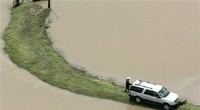
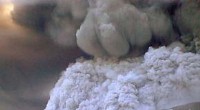
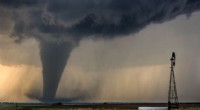
* Natural Hazards: Studying landforms can help identify areas prone to landslides, floods, or other hazards, aiding in risk assessment and mitigation strategies.
Structural Geology (Study of Rock Structures):
* Deformation History: Folds, faults, and fractures in rocks reveal the history of stress and strain that the Earth's crust has experienced, offering clues about past tectonic events and mountain building.
* Rock Formation: The way rocks are layered, folded, or fractured reveals the original environment in which they formed and the processes that have modified them.
* Resource Potential: Understanding the structure of rocks can help identify potential locations for mineral deposits, oil and gas reservoirs, or geothermal energy sources.
* Dating of Events: By dating the formation of rocks and structures, geologists can piece together the timeline of Earth's history and major geological events.
Other Insights:
* Groundwater Flow: The contours of land can influence the flow of groundwater, helping scientists to understand aquifers and water resources.
* Soil Formation: Landform features influence the type and quality of soils, impacting agriculture and land use.
* Paleoclimate: Ancient landforms and sedimentary deposits can provide valuable information about past climate conditions, including temperature, rainfall, and vegetation.
Overall, the study of landforms and rock structures provides a window into the Earth's dynamic processes, history, and resource potential. It's a crucial field for understanding our planet and managing its resources wisely.