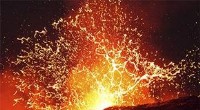
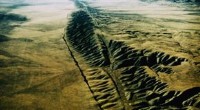
1. Subduction Zones: Andesite is most frequently found in subduction zones, where one tectonic plate slides beneath another. The high pressure and heat transform the oceanic crust into magma, which rises to the surface and erupts as andesite lava. This is why it's named after the Andes Mountains, a prime example of this geological process.
2. Volcanic Arcs: Andesite is a major component of volcanic arcs, both continental and island arcs. Examples include:
* The Andes Mountains in South America
* The Cascade Range in the western United States
* The Aleutian Islands in Alaska
* The Japanese Islands
3. Continental Interiors: While less common, andesite can also be found in continental interiors, particularly in areas with a history of volcanic activity.
Specific Examples:
* Mount Vesuvius: This famous volcano near Naples, Italy, has erupted andesite throughout its history.
* Mount Fuji: Japan's iconic mountain is largely composed of andesite.
* Mount Shasta: A towering peak in the Cascade Range, Mount Shasta has produced significant amounts of andesite.
Note: While andesite is common in these areas, it's important to remember that other volcanic rocks, like basalt and rhyolite, are also found in these locations. The specific composition of volcanic rocks can vary depending on the specific geological conditions.