* Sedimentation: The canyon was carved out of layers of sedimentary rock, mainly sandstone and conglomerate, deposited by ancient rivers and streams.
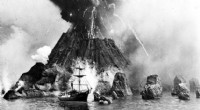
* Volcanic Activity: Volcanic eruptions in the region released ash and debris, creating layers of volcanic tuff interspersed with the sedimentary layers. These layers are easily eroded, leading to the canyon's distinctive striated appearance.
* Erosion: Over time, wind and water erosion have shaped these layers, carving out the canyon and creating the unique rock formations. The softer volcanic tuff erodes more quickly than the sandstone, leaving behind the characteristic "hoodoos" and "chimneys."
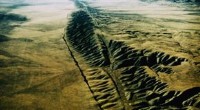
* Faults: The area is also characterized by fault lines, which have contributed to the fracturing and uplifting of the rock layers, creating the dramatic cliffs and slopes.
Specific Factors:
* The Apache Group: Texas Canyon is part of the Apache Group, a geological formation known for its varied sedimentary layers, including the "Coconino Sandstone," which is resistant to erosion and forms the prominent cliffs in the canyon.
* The Sunset Crater Volcanic Field: Volcanic activity from this nearby field contributed to the ash and tuff layers that are so distinctive to Texas Canyon.
Summary:
The rock formations in Texas Canyon are a testament to the enduring power of geological forces. Sedimentation, volcanic activity, erosion, and faulting have combined to create a landscape of breathtaking beauty, showcasing the layers of Earth's history.