1. Fractures and Openings:
- Tectonic Stress: The Earth's crust is constantly shifting and moving due to tectonic forces. This movement creates fractures and openings within the rock.
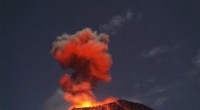
- Other Forces: Erosion, volcanic activity, and even the weight of overlying rock can also contribute to the formation of fractures.
2. Fluid Flow:
- Hydrothermal Fluids: These are hot, chemically-rich fluids often originating from deep within the Earth. They may contain dissolved minerals, gases, and water.
- Magmatic Fluids: These fluids are derived from molten rock (magma) and carry a variety of dissolved minerals.
- Groundwater: Normal groundwater can also become involved in vein formation.
3. Mineral Precipitation:
- Changing Conditions: As the fluids move through the fractures, they can cool, change pressure, or interact with the surrounding rock. These changes cause minerals to precipitate out of solution.
- Mineral Growth: The precipitated minerals crystallize within the fractures, forming the vein.
4. Vein Types:
- Quartz Veins: Some of the most common veins are composed of quartz, a very durable mineral.
- Metal Veins: Veins rich in valuable metals like gold, silver, copper, and lead are highly sought after by miners.
- Calcite Veins: Other common minerals found in veins include calcite, gypsum, and fluorite.
5. Vein Characteristics:
- Size and Shape: Veins can range from thin, hair-like structures to massive, thick deposits. Their shape can be irregular, sheet-like, or even branching.
- Texture: Veins can exhibit a variety of textures, including crystalline, massive, or banded.
- Mineralogy: The specific minerals present in a vein help determine its economic value and scientific significance.
In summary, veins are formed when fractures in rocks become filled with minerals that precipitate out of moving fluids. The type of fluid and the conditions of its movement determine the mineral composition and overall character of the vein.