Here are some examples of where this happens:
* The Andes Mountains (South America): The Nazca Plate is subducting under the South American Plate.
* The Cascade Range (North America): The Juan de Fuca Plate is subducting under the North American Plate.
* The Japan Trench: The Pacific Plate is subducting under the Eurasian Plate.
* The Aleutian Islands: The Pacific Plate is subducting under the North American Plate.
* The Mariana Trench: The Pacific Plate is subducting under the Philippine Sea Plate.
Subduction zones are responsible for a variety of geological phenomena, including:
* Volcanoes: When the subducting plate melts, it creates magma that rises to the surface and forms volcanoes.
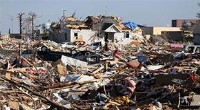
* Earthquakes: The movement of the plates at the subduction zone can cause earthquakes.
* Mountain Ranges: The collision of the plates can create mountain ranges.
It's important to note that not all subduction zones involve oceanic and continental lithosphere. Some subduction zones involve two oceanic plates.