1. Compressional Forces:
* Plate Tectonics: The Earth's tectonic plates are constantly moving, and when they collide, they exert immense pressure on the rocks at the boundaries. This pressure is known as compressional force.
* Other Forces: Compression can also arise from the weight of overlying sediments or other geological events like mountain building.
2. Deformation:
* Folding: The compressional force causes the sedimentary layers to bend and warp, forming folds. These folds can be large-scale (like mountain ranges) or small-scale (visible in outcrops).
* Types of Folds: Common types include anticlines (upward arches) and synclines (downward troughs).
3. Rock Behavior:
* Ductile Deformation: Sedimentary rocks, especially those with clay minerals, can behave in a ductile way under pressure. This means they bend and fold instead of breaking.
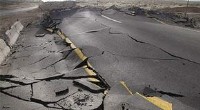
* Brittle Deformation: If the pressure is too high or the rocks are too rigid, they can fracture and break, forming faults.
In summary: Folded sedimentary rock layers are formed when compressional forces, typically arising from tectonic plate collisions, cause the rocks to bend and warp rather than break. The resulting folds can be large or small, depending on the magnitude of the forces involved.