* Heat from the Earth's core: The Earth's core is incredibly hot, with temperatures estimated to be around 5,200°C (9,392°F). This heat is constantly radiating outward, warming the surrounding mantle and crust.
* Radioactive decay: Radioactive elements like uranium, thorium, and potassium are present in the Earth's crust and mantle. Their decay releases heat, contributing to the overall geothermal gradient.
* Friction from tectonic plates: The movement of tectonic plates generates heat through friction as they slide past each other or collide.
General Geothermal Gradient:
* Average geothermal gradient: The average increase in temperature with depth is about 25°C per kilometer (1°F per 100 feet). However, this value can vary significantly depending on location and geological factors.
* Shallow depths: In the uppermost crust, the geothermal gradient is typically steeper due to the influence of surface temperatures.
* Deeper depths: The gradient becomes more gradual as you descend deeper into the Earth's crust.
Factors Influencing Geothermal Gradient:
* Location: Geothermal gradients are higher in areas with active volcanism, such as near plate boundaries, and lower in stable continental regions.
* Rock type: Rocks with higher thermal conductivity (like granite) will have a steeper geothermal gradient than those with lower conductivity (like sedimentary rocks).
* Water flow: Groundwater circulation can significantly influence the geothermal gradient, sometimes leading to localized hot springs or geothermal energy resources.
Implications of Geothermal Gradient:
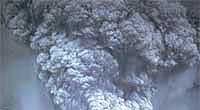
* Volcanism: The high temperatures within the crust can lead to the formation of magma, which can erupt at the surface as volcanoes.
* Metamorphism: The intense heat and pressure within the crust can transform existing rocks into metamorphic rocks.
* Geothermal energy: The geothermal gradient can be harnessed to produce electricity and provide heating and cooling for buildings.
In summary, the temperature within the Earth's crust increases with depth due to heat from the core, radioactive decay, and tectonic friction. This increase, known as the geothermal gradient, varies depending on location and geological factors, and it has significant implications for geological processes and energy resources.