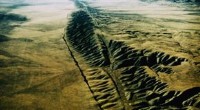
1. Tectonic Plate Collisions (Folding and Faulting): This is the most common way mountains are formed. When two tectonic plates collide, the immense pressure causes the land to buckle and fold, creating mountain ranges. The Himalayas, for example, were formed by the collision of the Indian and Eurasian plates. This process can also lead to faulting, where the rocks break and shift, creating steep cliffs and valleys.
2. Volcanic Activity: Mountains can also form from volcanic eruptions. When magma rises from deep within the Earth and erupts onto the surface, it builds up over time, creating cones or domes. These volcanic mountains can be very tall, like Mount Fuji in Japan, and are often associated with active volcanoes.
3. Erosion: While erosion is typically associated with the wearing down of mountains, it can also contribute to their formation. Over time, rivers, glaciers, and wind can carve away at plateaus and other landforms, creating isolated peaks and ridges. The Grand Canyon, for example, was formed by the erosive power of the Colorado River. This process is slower than the other two, but it can still create impressive mountainous landscapes.