* Solar Radiation: The sun heats the ground, and the ground in turn heats the air directly above it. The sunny side of the hill receives more direct sunlight and gets hotter.
* Density Difference: Warmer air is less dense than cooler air. This difference in density creates an upward force, causing the warm air to rise.
* Adiabatic Cooling: As the warm air rises, it expands and cools due to lower atmospheric pressure. This cooling helps sustain the updraft as the air remains relatively warmer than the surrounding air.
Factors that can influence thermal location:
* Time of day: Thermals are strongest during the mid-day when the sun is highest in the sky.
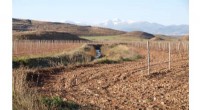
* Terrain: Hills with steep slopes and darker surfaces absorb more heat and create stronger thermals.
* Wind conditions: Wind can influence the direction and strength of thermals.
So, in general, you'll find stronger thermals on the sunny side of a hill, especially on a clear day with little wind.