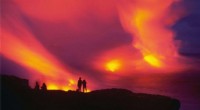
1. Volcanic Activity: Many of Washington's mountains are volcanoes, including the iconic Mount Rainier and Mount Baker. These mountains were formed over millions of years by eruptions of lava and ash. The Pacific Northwest lies on the edge of the "Ring of Fire," an area of intense volcanic and tectonic activity. The subduction of the Juan de Fuca Plate beneath the North American Plate creates magma, which rises to the surface, leading to volcanic eruptions and the building of these majestic mountains.
2. Tectonic Uplift: The Cascade Range, which includes many of Washington's mountains, was also formed by tectonic uplift. The collision of the Juan de Fuca Plate and the North American Plate has caused the landmass to buckle and uplift, creating the Cascade Range. This process has been ongoing for millions of years and continues to shape the mountains of Washington today.
So, while volcanic eruptions built individual peaks like Mount Rainier, the overall uplift of the Cascade Range is due to the ongoing tectonic processes in the region.