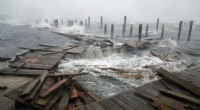
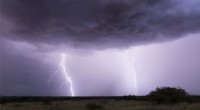
1. Precipitation: Rain, snow, or sleet falls to the Earth's surface.
2. Infiltration: Some of this precipitation soaks into the ground through the spaces between soil particles and rock fractures. This process is influenced by factors like soil type, vegetation, and the rate of precipitation.
3. Percolation: The infiltrated water continues to move downward through the soil and rock layers, a process called percolation. This is driven by gravity and influenced by the permeability of the rock and soil layers.
4. Saturation Zone: As the water percolates, it eventually reaches a depth where the spaces between soil particles and rock fractures are completely filled with water. This area is called the saturation zone, and the upper boundary of this zone is called the water table.
5. Groundwater: The water within the saturation zone is called groundwater.
Factors Affecting Groundwater Formation:
* Climate: Areas with high rainfall have more potential for groundwater formation.
* Topography: Steeper slopes promote runoff, reducing infiltration. Gentle slopes allow more time for water to infiltrate.
* Geology: The type of rock and soil influences how easily water can infiltrate and percolate.
* Vegetation: Plants absorb water, but their roots also create channels that aid infiltration.
* Human Activities: Urbanization, deforestation, and agricultural practices can significantly impact groundwater recharge.
Note: The process of groundwater formation is continuous, but the rate of recharge varies depending on the factors mentioned above.