Studying Rocks and Minerals:
* Petrology: Examining the composition, texture, and origin of rocks.
* Mineralogy: Analyzing the properties and formation of minerals.
* Paleontology: Studying fossils to understand past life and environments.
Understanding Earth Processes:
* Tectonics: Investigating the movement of the Earth's plates and the resulting earthquakes, volcanoes, and mountain ranges.
* Sedimentation: Studying the deposition and formation of sediments, including rocks and soils.
* Hydrogeology: Examining the movement and distribution of groundwater.
* Geomorphology: Analyzing the landforms and their evolution.
* Glaciology: Studying glaciers and their impact on the environment.
Applying Geological Knowledge:
* Exploration for Natural Resources: Finding and extracting resources like oil, gas, metals, and water.
* Environmental Assessment: Evaluating environmental impacts and hazards, including landslides, erosion, and pollution.
* Engineering Geology: Providing geological information for construction projects, infrastructure, and mining.
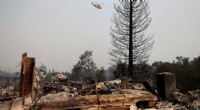
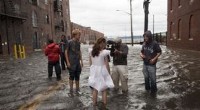
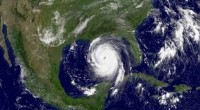
* Disaster Mitigation: Helping to prepare for and minimize the impact of natural disasters.
Specific Areas of Focus:
Geologists can specialize in various fields, including:
* Petroleum Geology: Focusing on the exploration and production of oil and gas.
* Economic Geology: Exploring for and managing mineral resources.
* Environmental Geology: Studying the geological factors affecting the environment.
* Geochemistry: Analyzing the chemical composition of rocks, minerals, and fluids.
* Geophysics: Using physical methods to study the Earth's structure and processes.
Overall, a geologist's job involves:
* Fieldwork: Collecting samples, taking measurements, and observing geological features.
* Laboratory Work: Analyzing samples, conducting experiments, and interpreting data.
* Research: Conducting studies, writing reports, and publishing findings.
* Communication: Presenting findings to colleagues, clients, and the public.
Geologists play a vital role in understanding our planet and its resources, helping us to live sustainably and manage its natural hazards.